THE STORY OF MĀNUKA
Mānuka is not Mānuka without its people and land.
Mānuka is a Māori word. It’s a name that’s buried deep in the unique forests and soils of Aotearoa New Zealand and entwined with its peoples and history.
THE TAONGA SPECIES
Mānuka is found only in Aotearoa New Zealand
Named by Māori from ancestral botanical knowledge and naming systems, Mānuka was later classified as Leptospermum scoparium by Europeans.
However, science is not settled that trees such as Tea Tree or Jelly Bush, grown in other countries, are the same species.
Regardless, we know it is not Mānuka.
The Mānuka tree shapes and is shaped by its region. It protects vulnerable soils, nurses native forest back to health and provides shelter for a living network of wildlife. In turn it draws nourishment from the earth, while birds, insects and the green gecko pollinate its flowers, manage pests, and spread its seed.
Mānuka power is irreplaceable, non-transferable, and deeply tied to this land, people and history.

Mānuka’s story begins in ancient times
Each native New Zealand plant holds special significance and properties, but Mānuka is set apart – many tribes of Aotearoa recognise it as the child of the forest god himself, Tāne Mahuta.
His parents, Ranginui and Papa-tū-ā-nuku, the sky and the earth, once clung together, trapping Tāne and his siblings in darkness. Tāne Mahuta gathered his brothers and sisters to push them apart. In the new light, Tāne Mahuta clothed his mother in green, gifting Mānuka to Aotearoa New Zealand.

EXPLORE THE STORY OF MĀNUKA
A gift of wellbeing
For centuries, the Mānuka tree, along with all native species in Aotearoa, has been regarded as tāonga – a word with no direct English translation. More than a treasure or possession, a tāonga represents the interwoven relationships between the people who care for these natural world assets and the role of the tree in the wider ecosystem.
Early Māori botanists and healers identified the unique antimicrobial properties of Mānuka bark, wood, oils, flowers, pollen and honey, naming the tāonga species for that potency: ‘mā’, meaning white, or clean, and ‘nuka’, possibly from a proto-Polynesian word meaning wound.
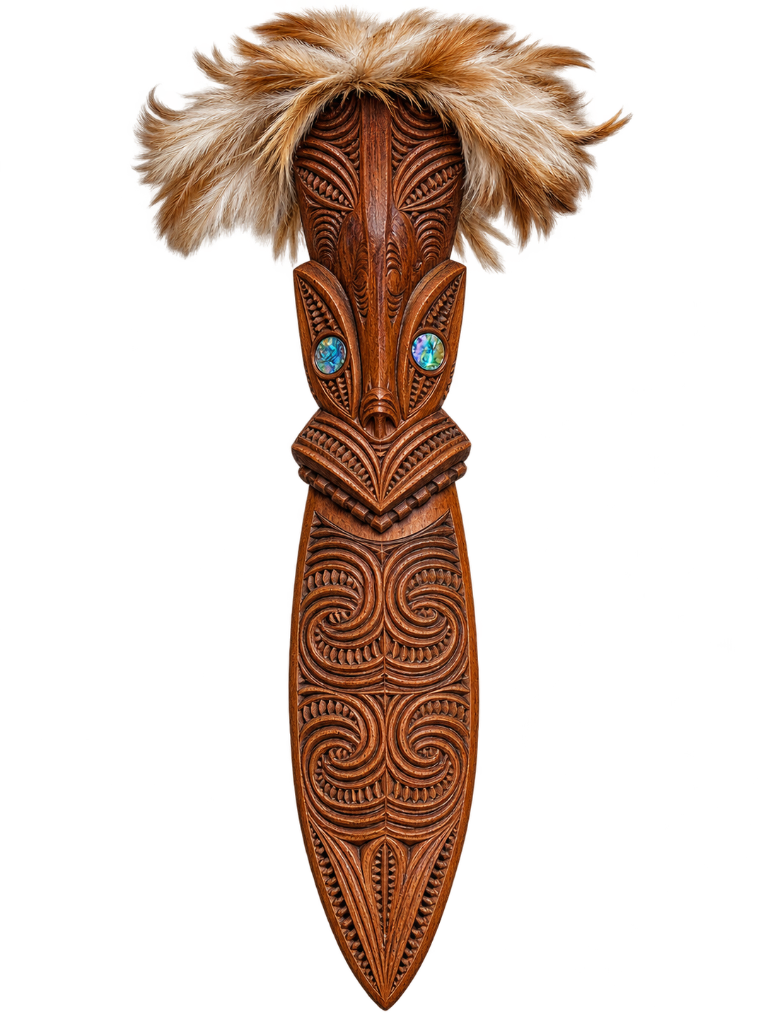
~800 CE
Mānuka recognised as a tāonga species
Mānuka is recognised as tāonga — gifted to Māori by their ancestors, used for medicine, tools and shelter.
1769
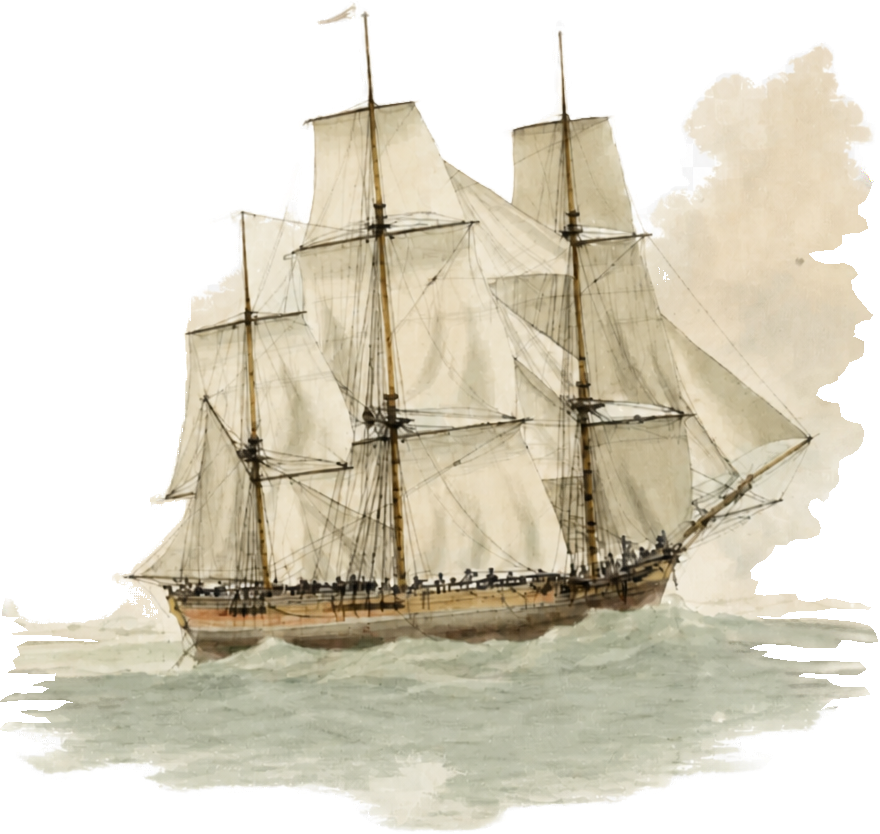
First recorded by Europeans
Māori introduced Mānuka to Cook’s botanists who gave it the scientific name, ‘Leptospermum scoparium’, a species endemic to Aotearoa New Zealand.
1880s
Commercial beekeeping begins
European settlers begin harvesting Mānuka honey without understanding its unique properties.
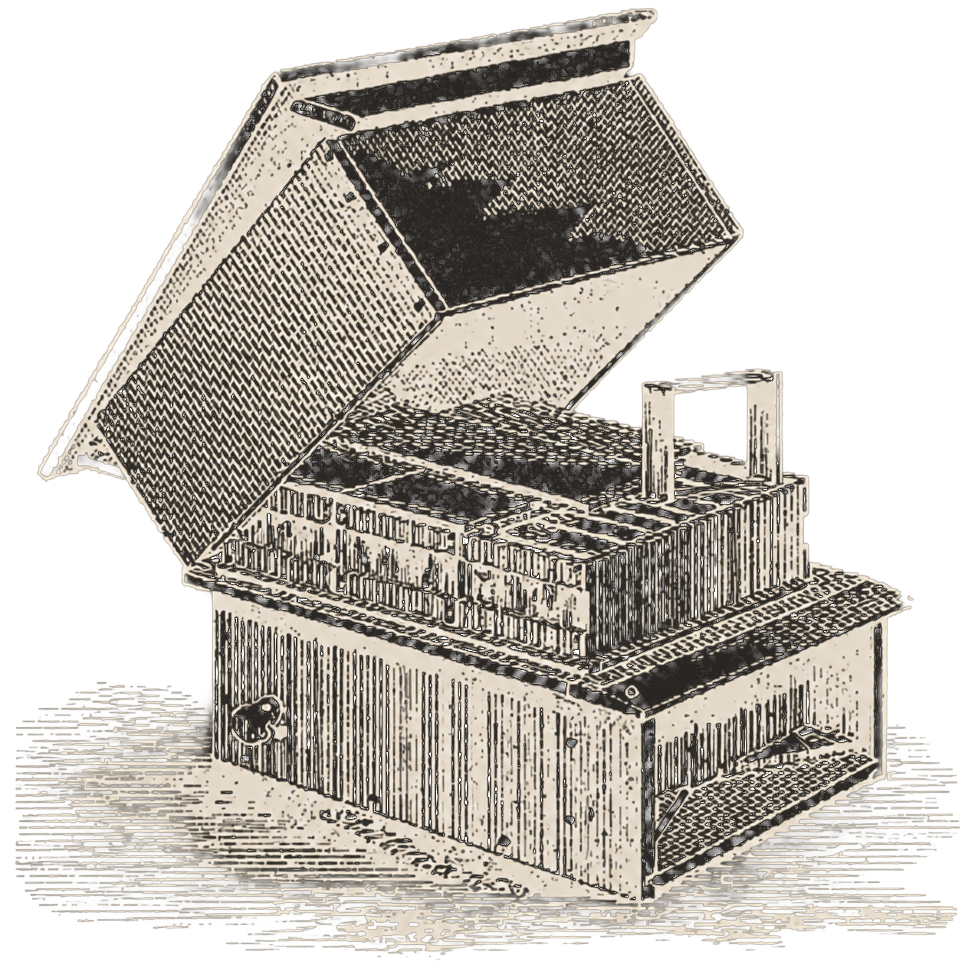
1976
Mānuka oil isolated
Mānuka oil is entered into the Aotearoa New Zealand phytochemical register, marking the beginning of its widespread commercial use.
1981
Mānuka honey’s antibacterial properties isolated
In 1981, New Zealanders Dr Molan and Kerry Simpson identified and recorded the unique actions of honey made with pollen from the Mānuka tree.
2017
MPI definition introduced
Aotearoa New Zealand’s Ministry of Primary Industries sets the first science-based definition distinguishing Mānuka from other honeys.
2023
MCT established
The Mānuka Charitable Trust is established to govern the mark and protect the name under Māori authority.
The Honey Map
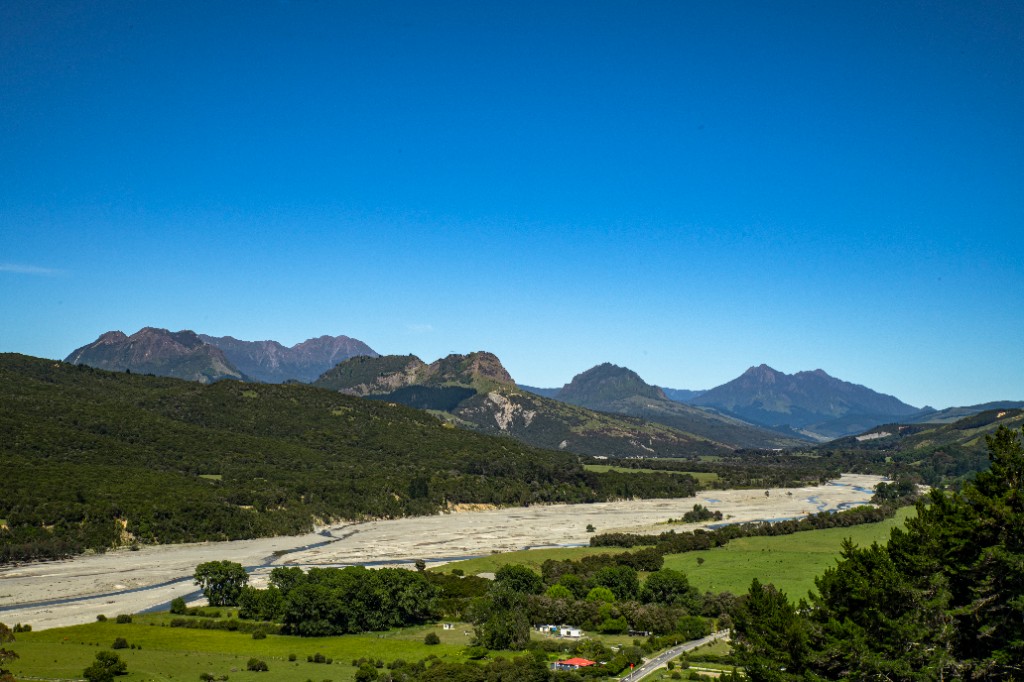
Aotearoa New Zealand’s Mānuka regions
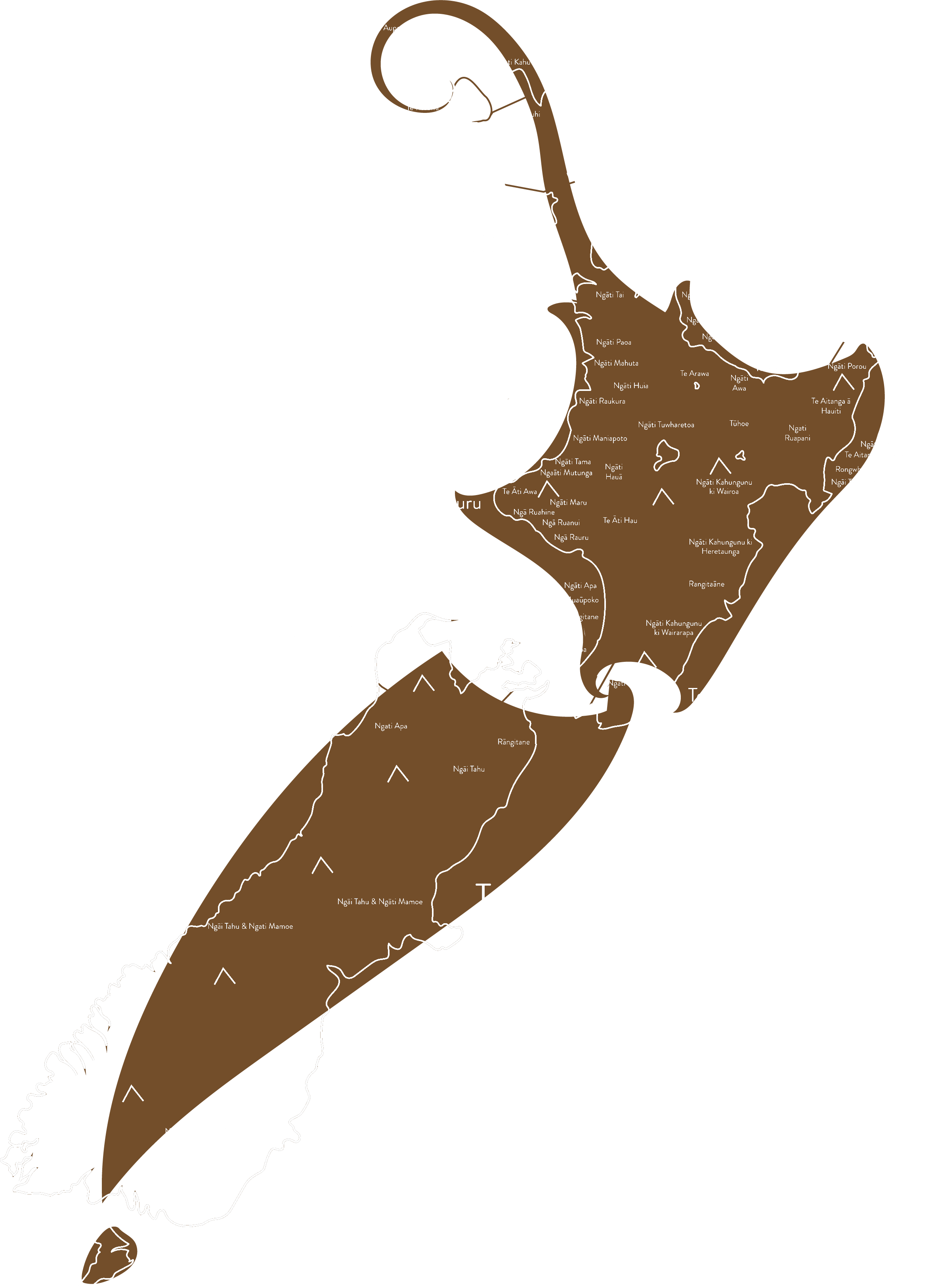
Mānuka grows across Aotearoa — from the Far North to Southland — each region producing honey with its own character, verified by the same rigorous science.